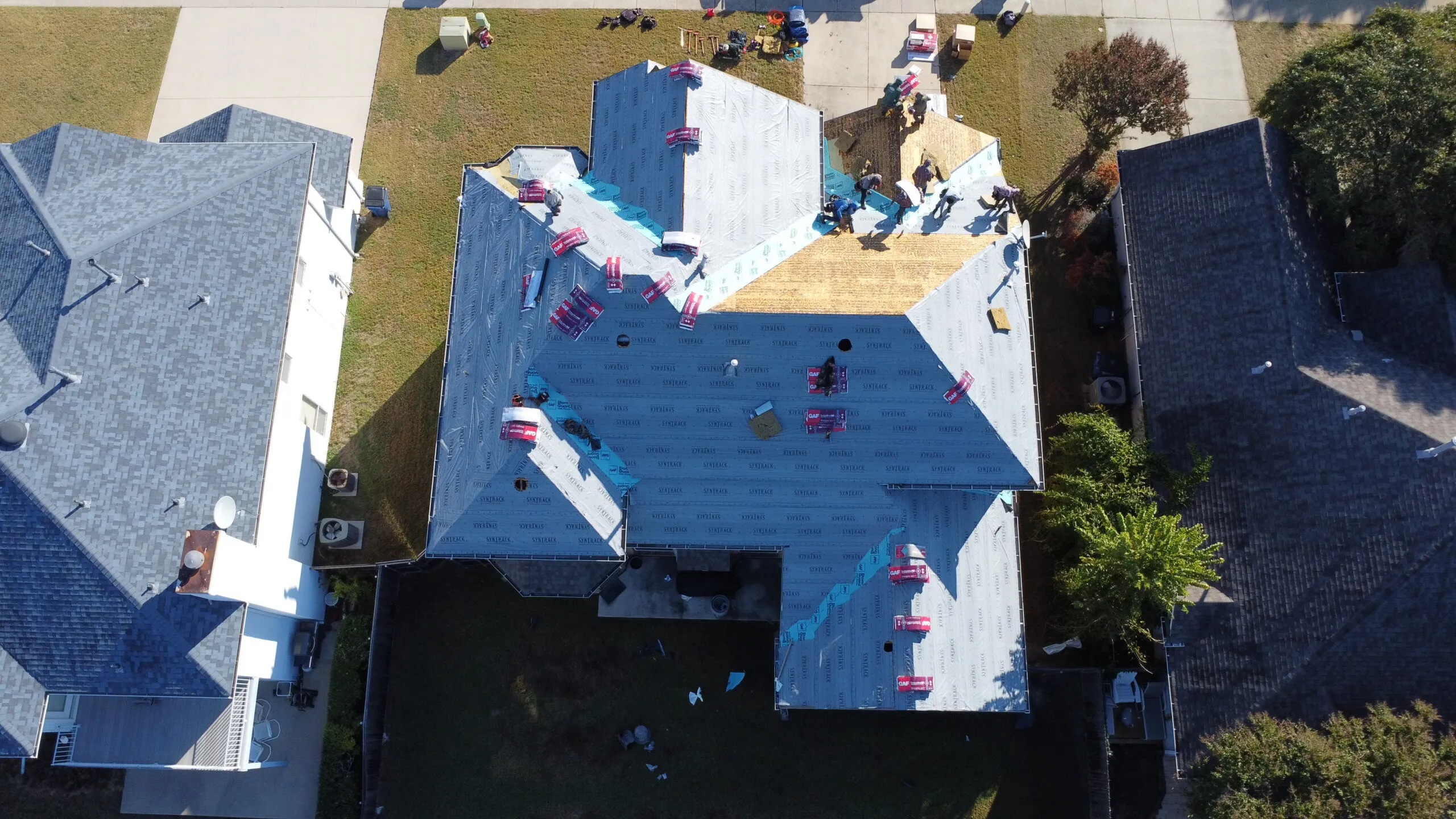
Construction Services and Building Standards in TX
Construction service plays a critical role in shaping the safety, durability, and functionality of residential and commercial properties. In Little Elm, TX, ongoing development and expanding neighborhoods have increased the importance of well-planned construction practices. From foundational preparation to exterior system integration, construction services influence how structures perform under local environmental conditions.
This article explains construction service from an informational perspective, focusing on how it supports roofing systems, drainage planning, and long-term structural stability in Little Elm. The goal is to provide clarity on how construction services fit into the broader lifecycle of a building.
Understanding Construction Service in a Growing Community
Little Elm has experienced steady growth, with new housing developments, renovations, and infrastructure projects reshaping the area. Construction service encompasses more than building structures; it includes planning, coordination, material selection, and compliance with local regulations.
In this context, construction service ensures that all components of a property work together. Roofing, drainage, framing, and exterior finishes must align with both structural requirements and environmental demands specific to North Texas.
Environmental Factors Influencing Construction in Little Elm
Construction practices in Little Elm must adapt to regional environmental conditions.
Weather Variability
Sudden storms, high winds, and intense rainfall place stress on building exteriors. Construction service planning must account for these forces to prevent premature deterioration.
Soil Conditions
Clay-rich soil common in the area expands when wet and contracts during dry periods. Proper foundation and drainage planning are essential parts of construction service to manage this movement.
Temperature Fluctuations
Seasonal temperature changes affect material expansion and contraction, influencing how structures age over time.
These factors highlight why localized construction service planning is essential for long-term performance.
Construction Service and Structural Integrity
Structural integrity depends on how well individual building components are designed and assembled. Construction service provides the framework that connects these elements into a cohesive system.
Key aspects include:
-
Load distribution across foundations and framing
-
Proper alignment of exterior systems
-
Secure attachment of roofing and drainage components
-
Integration of moisture control measures
Without coordinated construction service, even high-quality materials may underperform.
The Role of Construction Service in Roofing Systems
Roofing is one of the most critical components of any structure. Construction service ensures that roofing systems are properly supported, ventilated, and aligned with drainage pathways.
During construction or renovation, attention must be given to:
-
Roof pitch and load requirements
-
Underlayment and moisture barriers
-
Ventilation pathways
-
Edge detailing for water runoff
Construction service connects roofing systems to the broader structure, reducing the risk of leaks and structural stress.
For an overview of how integrated building work is managed, this reference on Construction Service explains how construction elements are coordinated to support long-term performance.
Drainage Planning as Part of Construction Service
Effective drainage is a core function of construction service. Roof runoff, surface water, and soil moisture must be managed to protect foundations and exterior materials.
In Little Elm, drainage planning often includes:
-
Gutter and downspout integration
-
Grading adjustments around the structure
-
Water flow management away from foundations
Construction service that overlooks drainage design may expose structures to moisture-related damage over time.
Construction Service in New Builds vs Renovations
New Construction
In new developments, construction service begins at the planning stage. Structural layout, roofing systems, and drainage are designed together to meet modern building standards.
Renovation and Expansion
In existing properties, construction service focuses on adapting new work to existing structures. This may involve reinforcing older components or upgrading systems to meet current requirements.
Both scenarios require careful coordination to ensure consistency and structural compatibility.
Local Building Codes and Construction Standards
Construction service in Little Elm must comply with municipal and state building codes. These regulations define minimum standards for safety, durability, and environmental performance.
Areas governed by construction codes include:
-
Structural load requirements
-
Wind resistance standards
-
Fire safety classifications
-
Drainage and moisture control measures
Adherence to these standards ensures that construction service supports safe occupancy and long-term use.
Construction Service and Long-Term Property Performance
The quality of construction service directly affects how a property performs over time. Properly planned construction reduces maintenance needs, improves energy efficiency, and enhances resilience against environmental stress.
Long-term benefits include:
-
Reduced moisture intrusion
-
Improved exterior durability
-
Better alignment between building systems
-
Increased structural longevity
These outcomes demonstrate why construction service is considered an investment in performance rather than a one-time task.
Construction Patterns in Little Elm Neighborhoods
Residential construction in Little Elm varies widely based on neighborhood design, lot size, and development era. Some areas feature modern layouts with wide roof spans, while others include older structures with different structural requirements.
In roofing construction in Little Elm, TX, construction service planning often reflects these variations, ensuring that building systems align with local development patterns and environmental factors.
Integration of Exterior Systems Through Construction Service
Exterior systems such as roofing, siding, gutters, and foundations must function together. Construction service ensures that these components are not installed in isolation.
System integration includes:
-
Aligning roof edges with drainage systems
-
Coordinating exterior wall materials with moisture barriers
-
Ensuring foundation systems support above-ground loads
Integrated construction service reduces conflict between systems and improves overall performance.
Construction Service as Preventative Planning
Rather than reacting to damage, construction service emphasizes prevention. By anticipating environmental stress and material behavior, construction planning reduces the likelihood of future structural issues.
Preventative construction strategies include:
-
Proper material selection
-
Adequate ventilation design
-
Thoughtful drainage planning
-
Structural reinforcement where needed
This proactive approach supports durability in Little Elm’s variable climate.
Knowledge-Based Construction Decisions
Understanding how construction service works empowers property owners to make informed decisions. Awareness of structural systems helps identify early warning signs and supports better long-term care.
Organizations such as Clear Vision Roofing often highlight system-level understanding because effective construction service depends on how components interact rather than on individual elements alone.
FAQs
1. What does construction service include?
It covers planning, building, and integrating structural and exterior systems.
2. Why is construction service important in Little Elm?
Local weather and soil conditions require specialized planning.
3. How does construction service affect roofing systems?
It ensures roofs are properly supported, ventilated, and drained.
4. Can poor construction service cause long-term issues?
Yes, improper planning can lead to moisture damage and structural stress.
5. How does soil type influence construction?
Clay-rich soil affects foundation stability and drainage needs.
6. Is drainage part of construction service?
Yes, water management is a core component of structural planning.
7. Do renovations require construction service planning?
Yes, new work must align with existing structures.
8. How do building codes affect construction service?
They define minimum safety and performance standards.
9. Can construction service improve property longevity?
Proper planning supports durability and reduces maintenance needs.
10. Why is local construction knowledge important?
Environmental and design factors vary by area and affect performance.